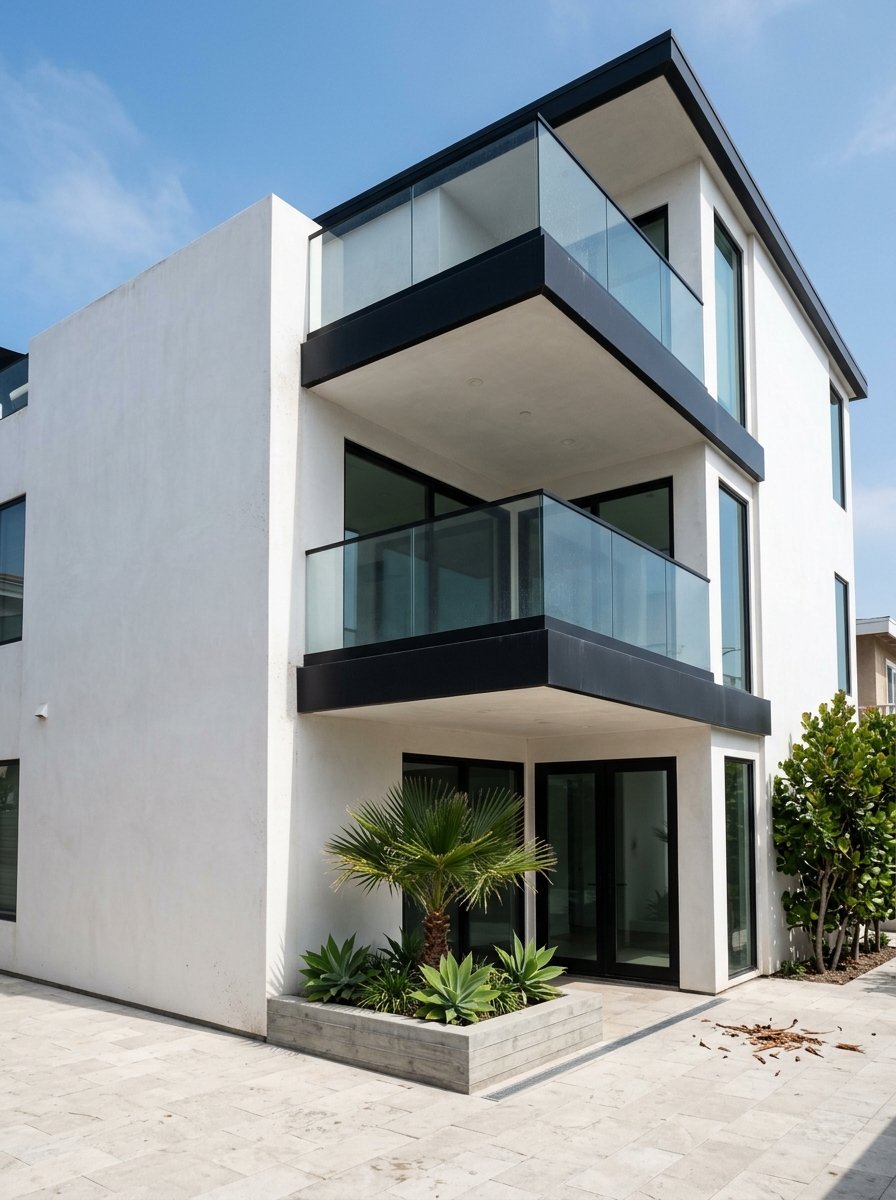
Buying a second home on Siesta Key can sound simple until you start comparing condos, homes, rental rules, flood maps, and carrying costs. If you are drawn to the island for beach access, seasonal living, or part-time rental income, you need more than a list of active listings. You need a practical view of how ownership works here, what questions to ask, and where the details can change your costs or your flexibility. Let’s dive in.
Why Siesta Key Draws Second-Home Buyers
Siesta Key is an 8-mile barrier island in Sarasota County known for its Gulf setting and nationally recognized beaches, according to the Florida Department of Environmental Protection. That setting is a major part of its appeal, but it also shapes ownership in very real ways, from access and parking to flood planning and insurance.
The local housing profile also helps explain why second-home buyers pay close attention to this market. Census QuickFacts for Siesta Key shows a 92.6% owner-occupied housing rate, a median owner-occupied value of $985,800, and a population with a large share of residents age 65 and older. In plain terms, this is an owner-heavy, high-value market that fits seasonal use, retirement planning, and long-term lifestyle purchases.
Recent pricing points to a premium market, but not a runaway one. Redfin reports a February 2026 median sale price of $1,112,500 and 71 median days on market, while Realtor.com shows a March 2026 median listing price of $1,095,000 and labels the area a buyer’s market. These numbers come from different methods and timeframes, so they are best used as directional context.
Condos vs Homes on Siesta Key
For many buyers, the first major decision is not whether to buy on Siesta Key. It is what type of property fits the way you plan to use it.
Condo ownership basics
Condos are a major part of the Siesta Key market, and they are not all the same. Realtor.com’s area overview highlights communities such as Gulf Bay Club, Whispering Sands, Casarina, Siesta Harbor, and Bay Oaks, with wide differences in median pricing. That tells you something important right away: there is no single Siesta Key condo product.
If you are considering a condo as a second home, monthly fees and reserve funding deserve close review. Under Florida Statutes Chapter 718, certain residential condominium associations with buildings three habitable stories or higher must complete structural integrity reserve studies at least every 10 years, and reserve funds for certain structural items cannot be redirected for unrelated uses in budgets adopted on or after December 31, 2024. In practical terms, you should look at the full cost of ownership, not just the asking price.
Townhome-style units need document review
A property that looks like a townhome may not operate like the one next door. Sarasota County guidance notes that rental rules depend on zoning, and the county tax collector advises owners to check neighborhood bylaws for association-specific limits. That means document review is not a formality. It is part of deciding whether the property matches your goals.
Single-family homes offer direct control
Single-family homes can be appealing if you want more privacy, more control, or a more direct ownership structure. But direct control also means direct responsibility. Maintenance, flood exposure, and insurance decisions generally fall on you rather than being spread across a building-wide association.
That matters on a barrier island. Sarasota County’s flood protection resources note that most homeowner insurance does not cover flood damage and encourage owners to consider flood insurance through the National Flood Insurance Program when needed.
What Day-to-Day Use Looks Like
A second home is not just about the property itself. It is also about how easy the island feels when you are actually using it.
Beach access and parking matter
Siesta Beach is the island’s main public beach anchor, and Sarasota County Parks lists 950 free parking spaces, free trolley access, daily lifeguards, beach wheelchair access, and park hours from 6 a.m. to 10 p.m. Those features support the area’s strong lifestyle appeal for part-time owners and guests.
Still, access is not the same everywhere on the island. Sarasota County’s beach access information explains that some shoreline access points are pedestrian-only and several access points have limited or no parking. If easy walkability or quick beach entry matters to you, location details can affect your ownership experience more than buyers expect.
South-island areas have a different feel
Turtle Beach on the south end offers a different kind of recreation setting. County information on Turtle Beach Park highlights beach access, a boat ramp, fishing, picnic areas, a playground, and kayak launches. For buyers who care about boating, paddling, or a less central beach setting, that contrast can be useful when narrowing your search.
The free trolley adds flexibility
Transportation can shape whether a second home feels easy or inconvenient. Sarasota County’s Route 77 Siesta Islander is free and runs daily from 8 a.m. to 10 p.m., connecting Siesta Key Village, Siesta Beach, Turtle Beach, and downtown Sarasota. If you prefer not to drive every time you visit, that can make some locations more practical than others.
Rental Rules and Income Planning
Many second-home buyers want the option to rent their property at least part of the year. On Siesta Key, that option depends on more than demand.
Start with zoning, then check documents
According to Sarasota County rental guidance, rental rules on the barrier islands depend first on zoning. Residential multifamily zoning may allow leases of less than 30 days, while other multifamily districts and residential single-family districts require leases of at least 30 days and do not allow short-term rental use.
After zoning, you still need to verify the association rules. The same county guidance makes clear that HOA or condo bylaws can impose additional limits. If rental flexibility is part of your plan, this review should happen before you get attached to a property.
Rental taxes affect your numbers
If you plan to rent for six months or less, taxes are part of the operating cost. The Florida Department of Revenue says these rentals are generally subject to 6% state sales tax plus any applicable discretionary surtax, and the Sarasota County Tax Collector states that Sarasota County also charges a 6% Tourist Development Tax on rentals of six months or less.
The county also notes that this tax can apply to more than base rent. Cleaning fees, pet fees, utility fees, and accidental-damage fees may also be included. If you are estimating rental income, use net numbers after taxes and fees, not just the advertised nightly or monthly rate.
Platform collection is not always the whole story
Some owners assume a booking platform handles all tax collection automatically. Sarasota County says that if a property is listed only through Airbnb, the platform may remit the tourist tax, but if the property is also listed elsewhere or rented directly, the owner may still have filing and collection responsibilities. That is one more reason to set up the rental side correctly from the start.
Carrying Costs Beyond the Purchase Price
On Siesta Key, ownership costs can be just as important as the contract price.
Property taxes may differ for second homes
If the property will be a true second home, do not assume you will receive the same tax treatment as a primary residence. The Sarasota County Property Appraiser states that the homestead exemption requires the owner to own and occupy the home as a permanent residence on January 1 and to file by March 1. For most vacation-home buyers, that means the tax picture is different from a full-time residence.
Insurance and flood review are essential
The local cost picture can be meaningful even before a mortgage is involved. Census QuickFacts reports median selected monthly owner costs of $3,365 with a mortgage and $1,500 or more without a mortgage for Siesta Key. Those are broad market indicators, but they reinforce the importance of underwriting your total monthly cost.
Flood risk also deserves address-specific review. Sarasota County notes that most homeowners insurance does not cover flood damage, flood insurance can be purchased through NFIP, and policies typically have a 30-day waiting period. Buyers can confirm flood-hazard information through FEMA’s official Flood Map Service Center.
A Smart Way to Compare Options
If you are early in your search, the simplest way to think about Siesta Key is this: you are choosing a use case, not just a property. A condo may offer easier lock-and-leave ownership, but association budgets, reserves, and rules matter. A single-family home may give you more independence, but flood planning, maintenance, and insurance become more direct parts of the equation.
A practical comparison checklist can help:
- Confirm how you want to use the property: personal use, seasonal use, rental use, or a mix
- Verify zoning before assuming short-term or seasonal rental flexibility
- Review condo or HOA documents carefully, including rental restrictions and reserves
- Estimate monthly carrying costs beyond principal and interest
- Check flood-zone information and insurance options early
- Consider daily logistics like parking, trolley access, and beach proximity
Siesta Key remains a distinctive second-home market because it combines a strong coastal lifestyle with high-value real estate and a wide range of ownership structures. The right fit usually comes from matching the property to your goals, not chasing a listing based on photos alone. If you want a clear, private, and data-driven conversation about buying or selling on the Gulf Coast, connect with Darlene Davenport.
FAQs
What makes Siesta Key appealing for a second home?
- Siesta Key offers barrier-island living, well-known beaches, strong owner occupancy, and a high-value housing market that often appeals to seasonal and retirement-minded buyers.
What should you review before buying a Siesta Key condo?
- You should review monthly fees, reserve funding, association budgets, building requirements, rental restrictions, and any required association documents before moving forward.
Can you use a Siesta Key second home as a short-term rental?
- It depends on the property’s zoning and any condo or HOA rules, so you should verify both before assuming short-term rentals are allowed.
What taxes apply to Siesta Key short-term rentals?
- Rentals of six months or less are generally subject to Florida state sales tax and Sarasota County’s Tourist Development Tax, and some added fees may also be taxable.
Do second-home buyers on Siesta Key qualify for homestead exemption?
- In most cases, a true second home does not qualify because the homestead exemption requires the owner to occupy the property as a permanent residence.
Why is flood insurance important for Siesta Key property owners?
- Because most homeowners insurance does not cover flood damage, buyers should review flood exposure and insurance options carefully when considering barrier-island property ownership.