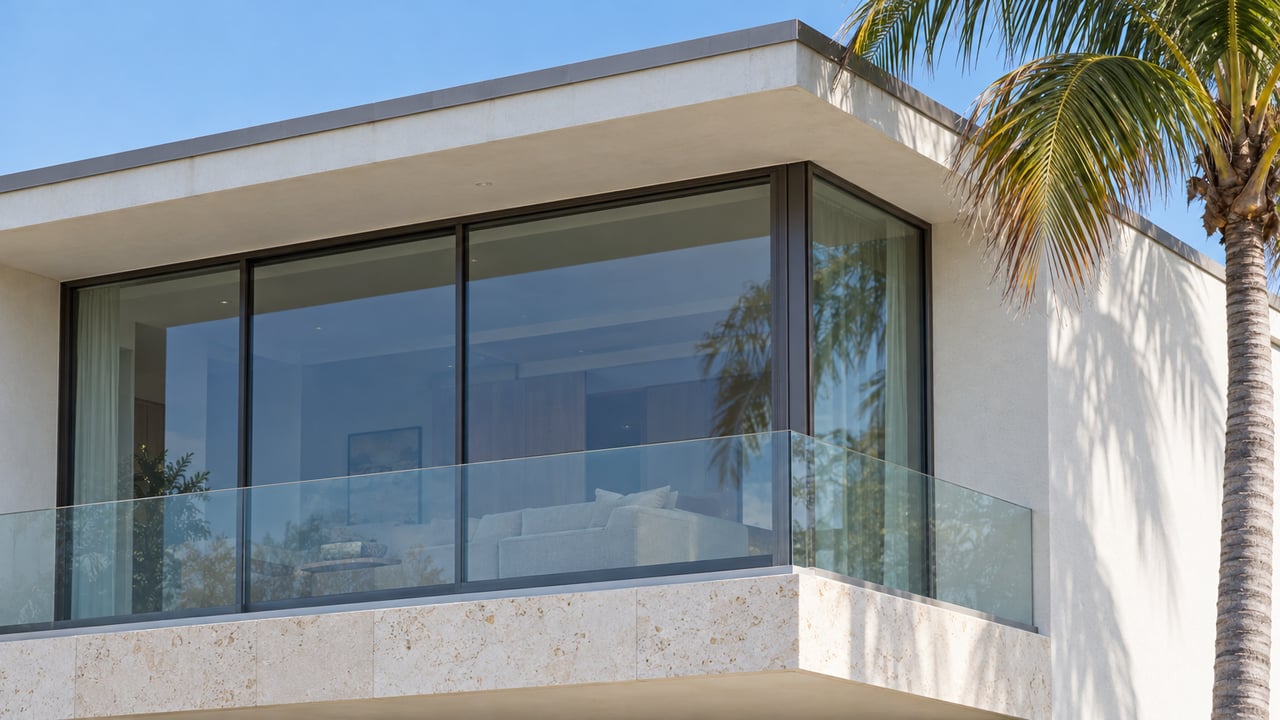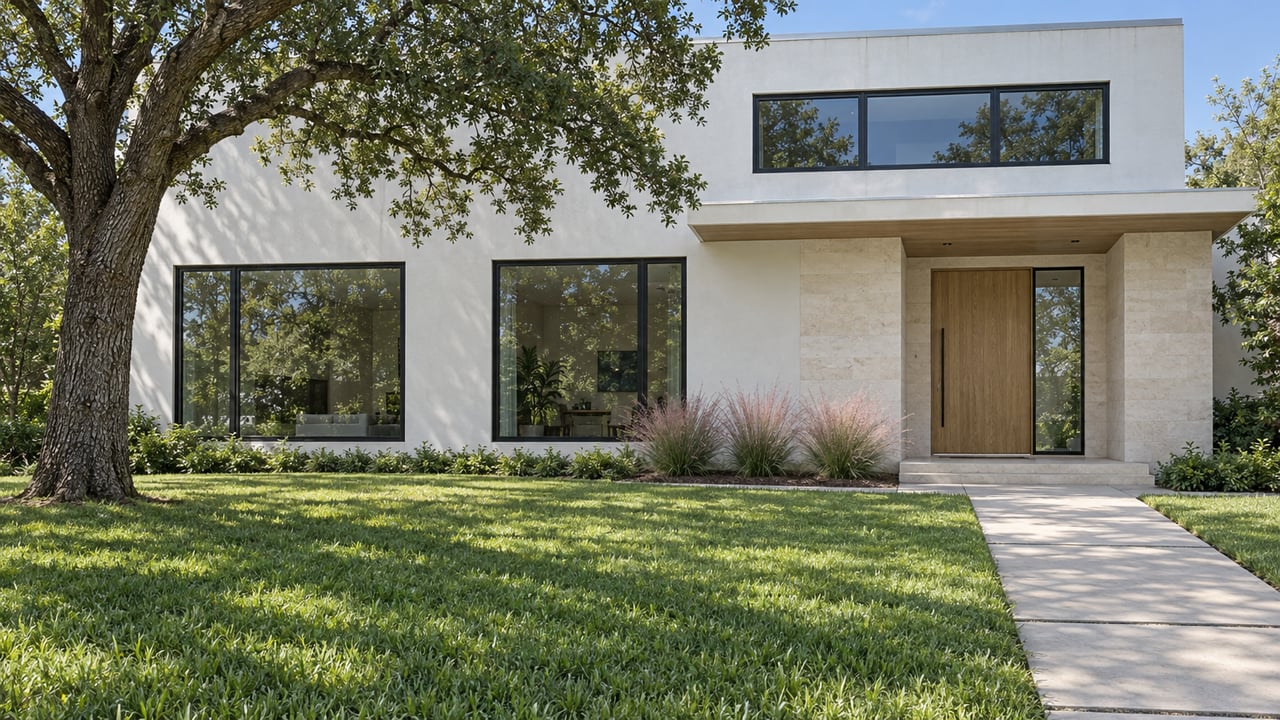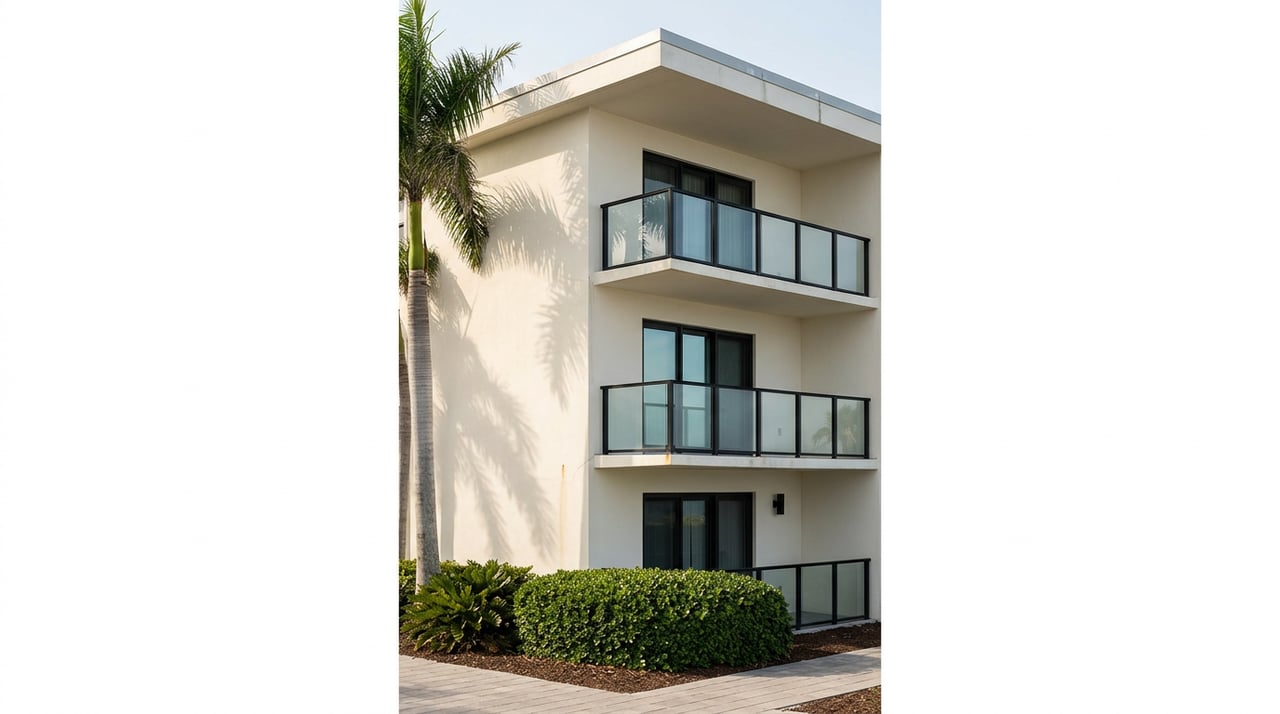
Picture two condos on Siesta Key, listed within a few thousand dollars of each other, same two-bedroom layout, same walk to the beach, same year built. One buyer closes on schedule with a conventional loan. The other gets a denial letter from underwriting weeks after signing a contract, and has to either walk away or find a specialized portfolio lender willing to finance a building conventional programs won't touch, usually at a materially higher rate. Same island, same price bracket, opposite outcomes.
The difference rarely shows up in the listing photos. It shows up in a form most buyers never think to ask for until their lender requests it: the condo questionnaire the association fills out for the mortgage company, the one that decides whether a building is warrantable for conventional financing at all.
On Siesta Key in 2026, that questionnaire carries more weight than it has in years, and for reasons that have nothing to do with the unit itself.
The building gets underwritten before the buyer does
A conventional mortgage on a condo runs a credit check on the building as much as the borrower. Fannie Mae and Freddie Mac guidelines ask questions no listing sheet answers. What share of units are used as short-term rentals? Is the association named in pending litigation? Does the reserve account actually hold what the Structural Integrity Reserve Study says it should? Is more than a set share of the building given over to commercial space?
Answer wrong on any of those and the building goes non-warrantable. That doesn't mean the unit can't be bought. It means the buyer pool narrows to cash and specialized portfolio lenders, the kind that price the extra risk into the rate. Because that same restriction applies to whoever buys the unit next, the discount travels with the building at resale, independent of the view or the finish level inside any particular unit.
| Warrantable building | Non-warrantable building | |
|---|---|---|
| Financing available | Standard conventional programs | Cash or portfolio loans only, typically at a premium rate |
| Buyer pool at resale | Full market, including first-time and move-up buyers | Narrower, cash-heavy pool |
| What usually triggers it | Adequate reserves, no pending litigation, moderate rental activity | Underfunded reserves, active litigation, heavy short-term rental concentration, or excess commercial space |
Why Siesta Key trips this wire more than most Gulf Coast markets
Siesta Key's condo stock is old enough, dense enough with vacation rentals, and exposed enough to salt air that all of the warrantability triggers above show up here at a higher rate than in newer inland communities.
Much of the island's high-rise and mid-rise inventory, the buildings that line Crescent Beach and the Midnight Pass Road corridor, went up during the heavy development years of the 1970s and 1980s, which puts a large share of them well past the age where Florida requires a milestone inspection. The Division of Condominiums guidance sets the threshold at three or more habitable stories reaching 30 years of age, or 25 years if the local building official has determined that coastal exposure warrants the earlier trigger. The reason is what you'd expect: buildings sitting in salt air corrode faster than buildings twenty miles inland.
The rental side compounds it. A meaningful share of Siesta Key's condo buildings are marketed heavily as vacation rentals, which is exactly the kind of concentration that flags on a lender's warrantability review. That's a feature for an investor chasing rental income and a complication for anyone trying to finance the purchase conventionally.
What the reset actually looks like in the numbers
Siesta Key's condo market has cooled from its 2021 and 2022 pace, and the shape of that cooling tells the same story as the financing mechanics above. Over the three months ending in May 2026, the median sale price on the island sat at $899,000, down 12.6 percent from the same period a year earlier, according to Redfin's tracking. In the same window, price per square foot actually rose 6.7 percent, to $629. Read those two figures together and the picture isn't a market falling evenly. It's a market where the units that move are smaller and cleaner on paper, while larger listings sitting in buildings with open financing questions wait longer for a buyer.
Carrying costs tell a parallel story. HOA fees in Siesta Key's beachfront buildings commonly run $1,200 to $1,800 a month before mortgage, insurance, or property taxes, a range that reflects how much some associations are now funding toward reserves they spent decades underfunding. A typical special assessment on the island falls between $2,000 and $10,000 per unit for routine catch-up work. In buildings with genuinely deferred structural repairs, that figure has run to $25,000, $40,000, or more per unit, on top of whatever the monthly fee already covers.
None of that is unique to Siesta Key. What is unique here is how directly it now feeds into whether a buyer can get a loan at all, not just whether they want to write the check.
The paperwork that answers the question before you offer
Florida law already puts most of the relevant documents in a seller's hands. Under Florida Statute 718.503, a seller of a resale condominium unit must furnish the buyer with the declaration, articles, bylaws and rules, the two most recent annual budgets, the association's most recent Structural Integrity Reserve Study or a statement that none exists, and a summary of the milestone inspection if the building has completed one.
The documents worth requesting before an inspection contingency expires, roughly in the order they answer the biggest questions first:
- The most recent milestone inspection report and any Phase 2 findings, if the building has crossed its age threshold
- The current Structural Integrity Reserve Study and whether the board voted to fund it fully or pause contributions
- Two years of board meeting minutes, where pending assessments and reserve waivers get discussed before they reach an owner's mailbox
- The current insurance declarations page, including wind and flood coverage and deductible amounts
- A written record of special assessments over the past five years, amounts and stated purposes both
The deadline that matters most here already sits in the past. Existing owner-controlled associations were required to complete their Structural Integrity Reserve Study, the document detailed in the state's Division of Condominiums guidance, by December 31, 2025. That date has come and gone. A building still without one, or one that only just finished under the wire, is a building whose reserve funding plan hasn't been tested by a full budget cycle yet. Ask directly whether the association met that deadline and how it is funding the components the study flagged.
One more wrinkle is worth knowing before assuming a clean milestone report settles the matter. The Florida Condo & HOA Law Blog says a 2025 revision to Florida's condo law lets a board pause reserve contributions for up to two consecutive budget years after a milestone inspection identifies necessary repairs, as long as unit owners approve the pause. That flexibility helps associations manage cash flow through a big repair, and it also means a completed inspection with a documented repair list isn't automatically the same as a fully funded one. Ask what the board did with that option, not just whether the inspection happened.
Before you tour the next unit
The building's financial paperwork isn't a formality to review after you've fallen for a unit. It's the filter that decides whether the unit is buyable on the terms you're counting on. Two condos on the same stretch of beach, same price, same square footage, can carry entirely different mortgage stories, and the only way to know is to request the documents up front and read them with someone who knows what a thin reserve balance actually signals.
A few questions worth asking directly
What building height triggers these requirements? Milestone inspections and Structural Integrity Reserve Studies apply to condominium and cooperative buildings three or more habitable stories in height. HOA communities also face their own reserve funding pressures.
Does paying cash make the warrantability question irrelevant? It removes the immediate financing hurdle, not the underlying risk. A non-warrantable building still carries the same reserve and assessment exposure. A cash buyer inherits that exposure directly and will face the same narrowed buyer pool, and likely a resale discount, when it comes time to sell.
If a building has completed its milestone inspection, does that mean it's in good shape? Not by itself. The inspection identifies what needs attention. Whether the association has the reserve funding in place to pay for it, or is relying on a future special assessment or loan, is a separate question that only the reserve study and recent board minutes answer.
Can a seller refuse to provide these documents? No. Florida Statute 718.503 obligates the seller to furnish the required disclosures to a prospective buyer at the seller's expense. If a seller or their association won't produce a milestone report or reserve study on request, treat that refusal as the answer to your question.
If you're weighing a specific building on Siesta Key and want a second set of eyes on its reserve position before you write an offer, The Davenport Group reviews these documents as a standard part of every condo transaction across the Gulf Coast. Request a confidential conversation before your contingency clock starts running, not after.
This article is general information, not legal, tax or financial advice. Consult a qualified professional about your situation.