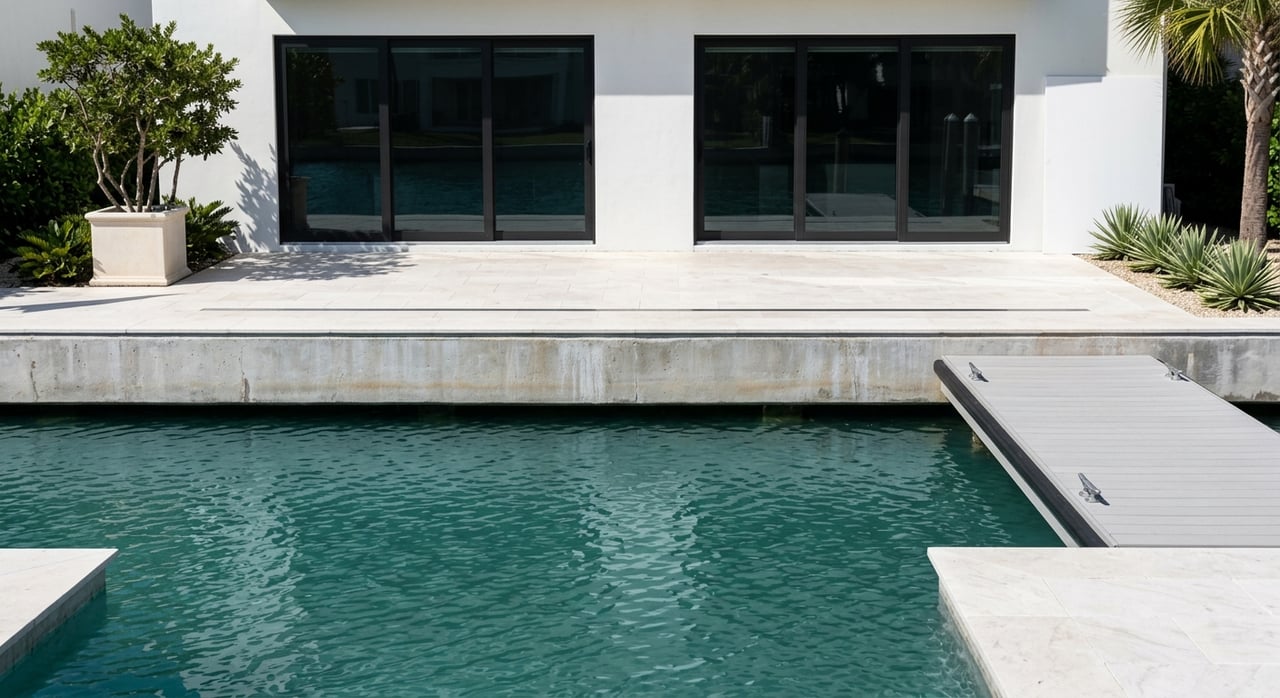
If you are considering Davis Islands waterfront living, the appeal is easy to understand. You get water views, boating access, and a neighborhood that feels tucked away while still sitting just outside downtown Tampa. But waterfront ownership here also comes with real planning around flood exposure, storm surge, dock regulations, and insurance costs. This guide walks you through the lifestyle upside, the boating practicalities, and the risk factors you should understand before you buy. Let’s dive in.
Why Davis Islands Stands Out
Davis Islands has a setting that feels different from most of Tampa. According to the City of Tampa’s neighborhood overview, the area blends residential streets, retail, parks, green space, water views, Peter O. Knight Airport, a yacht club, a tennis complex, an aquatic center, and the Marjorie Park Municipal Yacht Basin.
That mix helps explain why buyers are often drawn to the islands for both convenience and lifestyle. You are close to downtown, but the neighborhood still has a contained, local feel rather than a typical suburban pattern.
The city’s parking master plan for the area notes that Davis Islands has small shops and restaurants, a residential feel, and only two roadway access points. That limited access reinforces the compact village atmosphere, even as it can create practical challenges like tighter parking near busier destinations.
Everyday Life on the Islands
One of the biggest draws is the pace of daily life. The Village area is designed around short trips, neighborhood errands, and a more walkable rhythm than many other parts of the region.
The City of Tampa’s recent road-safety improvements added golf-cart parking spaces, bike lanes, and crosswalk upgrades, while lowering Village speeds to 15 miles per hour. That tells you a lot about how the area functions day to day. Golf carts, bikes, and quick local stops are part of the lifestyle here, not an afterthought.
For many buyers, that combination matters as much as the waterfront itself. You are not just buying a home on the water. You are buying into a neighborhood where local amenities, slower speeds, and proximity to the bay all shape the experience.
Boating Access in Davis Islands
If boating is high on your list, Davis Islands offers real infrastructure, not just a waterfront label. The Marjorie Park Yacht Basin sits at the mouth of the Hillsborough River and is only a block from the business district.
The city says the marina includes fuel at the dock, pump-out service, transient slips, and 32 monthly slips. It also notes that the monthly slips have a waiting list, which gives you a useful signal about local boating demand and limited supply.
That matters whether you are shopping for a private dock home or a property that would rely on marina access. In a neighborhood where demand for dockage is real, usable waterfront access becomes more than a visual perk.
Public marina access matters
Even if you plan to focus on private waterfront homes, public boating infrastructure still affects the broader market. It supports the boating culture of the neighborhood and helps show how central water access is to everyday life on the islands.
The city is also moving forward with a project to replace failing docks in the Davis Islands Seaplane Basin, along with a mooring field and navigation aids. That is a reminder that waterfront infrastructure needs ongoing investment and maintenance.
Private Docks and Seawalls
For buyers focused on a private waterfront property, the condition and legality of the shoreline improvements deserve close attention. On Davis Islands, dock and seawall features are not just amenities. They are also regulated structures with meaningful cost implications.
The City of Tampa’s residential permit information explains that seawall and dock permits are required to help ensure the work is properly built and complies with flood-damage-control requirements, especially in velocity zones. The city also requires items such as a signed survey, engineering certification, and outside approvals before submittal.
For you as a buyer, that means a dock should be evaluated on more than appearance. You want to know whether it is permitted, functional, and suited to the type of boating use you actually want.
Questions to ask about waterfront improvements
Before moving forward on a Davis Islands waterfront home, it is smart to ask:
- Is the dock permitted and in working condition?
- Has the seawall been repaired or replaced, and if so, when?
- Are there engineering reports or surveys available?
- Is the current setup appropriate for the vessel type or water access you need?
- Are any near-term repairs likely?
These are not small details. They can directly affect cost, insurability, and how much you enjoy the property after closing.
Flood Risk Is Part of the Decision
Waterfront living in Davis Islands comes with a clear tradeoff. The lifestyle can be exceptional, but flood and storm exposure should be treated as a core part of your buying decision, not a side note.
Hillsborough County makes an important distinction in its flooding guidance: flood zones and evacuation zones are not the same thing. Flood zones relate to year-round flood risk, insurance, and building requirements. Evacuation zones are tied to storm surge and hurricane planning. The county also notes that every property is in a flood zone, so assumptions based on address or proximity alone can be misleading.
On Davis Islands specifically, the city’s 2024 vulnerability analysis report says about 80% of the island is in FEMA flood zone AE. The report also notes 66 flood complaints over the last 23 years and roadway elevations around 4 to 7 feet NAVD88.
Those figures help frame the physical reality of the neighborhood. The same report says higher water levels can overtop low seawalls, backflow through stormwater outfalls, raise groundwater tables, and inundate low-lying areas.
Why this should shape your home search
If you are comparing two Davis Islands waterfront homes, the better fit may not simply be the one with the best view. Elevation, flood-zone specifics, seawall condition, and how the site handles water can all matter.
In practice, this means you should review property-specific information early. The most reliable approach is to verify the details using official tools instead of relying on listing language or neighborhood reputation.
Insurance and Storm Planning
Flood insurance should be treated as its own budget item. It is not something you should assume is bundled into a standard homeowners policy.
FEMA’s flood insurance overview explains that flood coverage is a separate policy and usually comes with a 30-day waiting period. The same source, along with county guidance, makes clear that properties in high-risk flood zones beginning with A or V may require flood insurance when a federally backed mortgage is involved.
That means your monthly ownership cost may look meaningfully different from a similar non-waterfront property. Before you buy, you should understand not just whether insurance is required, but what the premium and deductible may look like.
Recent storm preparation also shows how seriously flood exposure is treated on the islands. In a FEMA case study on Tampa General Hospital, FEMA notes that the hospital sits on low-lying Davis Islands and used a deployable flood barrier during major hurricanes. That does not tell you what any individual home will experience, but it does underscore how important storm planning is in this location.
What Affects Waterfront Value
Waterfront homes are rarely valued on square footage alone. On Davis Islands, value is often tied to how the property actually interacts with the water.
The Appraisal Institute’s discussion of waterfront value factors points to issues like water-access quality and amount of shoreline. In practical terms, buyers often weigh direct access, the quality of the view, private dock utility, and flood-related considerations when judging desirability.
Seawall condition also plays a major role because it sits at the intersection of value and risk. The City of Tampa’s bridges and seawalls information reflects the reality that waterfront edge maintenance is an ongoing issue, and shoreline work can be a meaningful capital expense.
Look beyond the postcard view
A beautiful setting matters, but so does functionality. A home with a compelling view but aging shoreline protection may present a different ownership equation than one with slightly less dramatic exposure and stronger infrastructure.
This is why waterfront purchases benefit from a more detailed review than many inland transactions. The visual appeal can be immediate, but the long-term value often depends on what lies at the water’s edge.
Smart Due Diligence Before You Buy
If you are seriously considering Davis Islands waterfront property, it helps to move through a clear checklist early in the process. That can save time, reduce surprises, and help you compare homes more accurately.
Start with these priorities:
- Confirm the exact flood zone and evacuation zone using official map tools
- Review any available elevation certificate and flood-risk data for the specific property
- Ask whether flood insurance is required and request real premium estimates
- Verify whether the dock and seawall are permitted and in serviceable condition
- Understand whether shoreline repairs or replacement may be a near-term cost
- Separate the value of the view from the value of the structure and water access
For property verification, FEMA offers its Map Service Center and flood map resources, and the research also points to Hillsborough County and the City of Tampa flood tools for address-specific review.
Balancing Lifestyle and Risk
Davis Islands can offer a very rare combination in Tampa: close-in location, neighborhood charm, boating access, and a true waterfront setting. For the right buyer, that combination can be hard to replicate elsewhere.
At the same time, the waterfront premium here should be viewed with clear eyes. Flood exposure, storm planning, insurance, dock legality, and seawall condition are all part of the ownership picture.
When you evaluate those factors carefully, you put yourself in a much stronger position to decide whether a specific property supports the way you want to live. If you want thoughtful, discreet guidance on buying or selling in Davis Islands, connect with Darlene Davenport for tailored local advice.
FAQs
What makes Davis Islands different from other Tampa waterfront areas?
- Davis Islands combines waterfront living with a compact neighborhood setting near downtown Tampa, along with parks, local retail, boating facilities, and a slower-speed village core.
What should buyers know about boating access in Davis Islands?
- Buyers should know that Davis Islands has strong boating infrastructure, including the Marjorie Park Yacht Basin, but dockage is limited and private dock usability should be verified carefully.
What flood risks should buyers check for a Davis Islands home?
- Buyers should check both the property’s flood zone and evacuation zone, since those are different designations with different implications for insurance, building requirements, and hurricane planning.
What should buyers ask about a Davis Islands seawall or dock?
- Buyers should ask whether the dock and seawall are permitted, how old they are, whether repairs have been made, and whether any near-term replacement or engineering work may be needed.
Is flood insurance required for Davis Islands waterfront homes?
- Flood insurance may be required for properties in high-risk flood zones when a federally backed mortgage is involved, and flood coverage is typically separate from a standard homeowners policy.