Thinking about selling a historic home in Old Northeast? You are not just listing square footage and updates. You are bringing a piece of St. Petersburg’s architectural story to market, and buyers often respond to that story as much as they do to the floor plan. If you understand how designation, presentation, documentation, and pricing work in this district, you can position your home more clearly and sell with fewer surprises. Let’s dive in.
Why Old Northeast stands apart
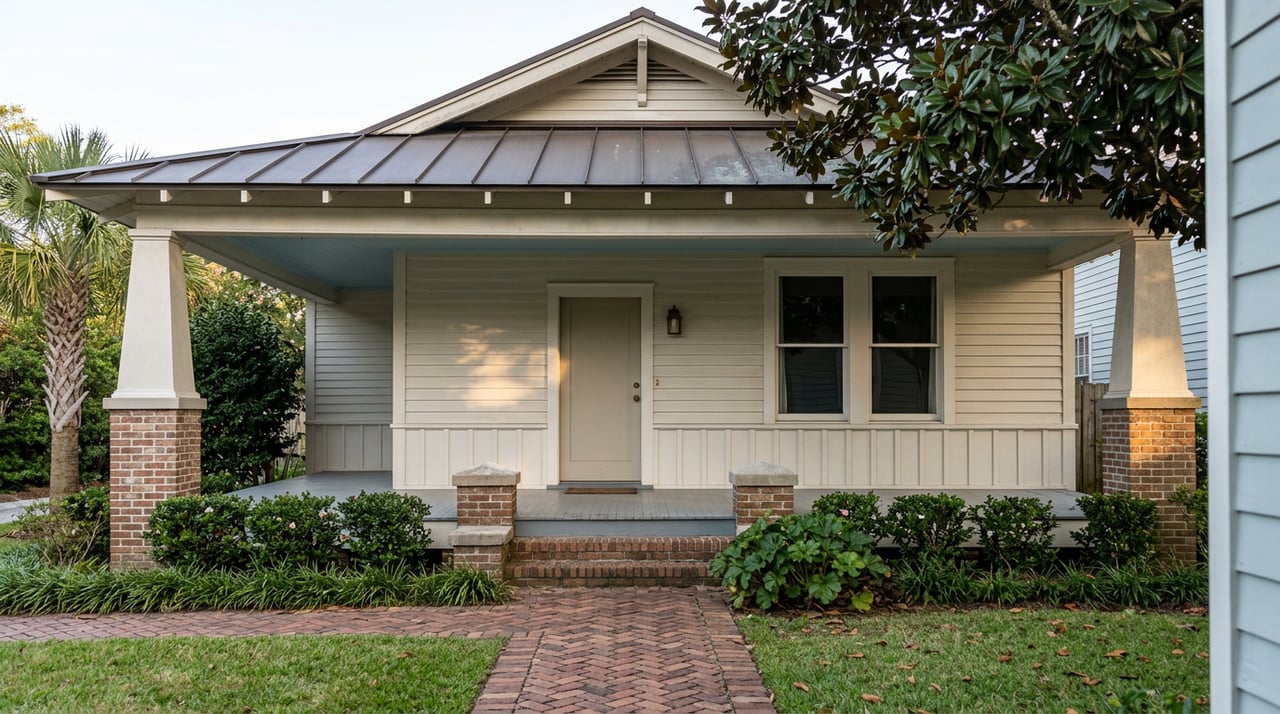
Historic Old Northeast, also known as the North Shore Historic District, is one of St. Petersburg’s most extensive and eclectic residential districts. According to the National Park Service, the district includes 3,489 buildings and 2,975 contributing resources. Its defining architectural styles include Bungalow/Craftsman and Colonial Revival, which helps explain why the area feels visually distinct from many newer neighborhoods.
That distinction matters when you sell. In a historic district like this, buyers are often reacting to original porches, rooflines, windows, millwork, and the overall streetscape, not just finishes and room count. In other words, authenticity is part of the value.
The city’s 2024 preservation study also notes that historic districts occupy less than 1% of St. Petersburg’s land area. That makes parcel-level details especially important because not every property described as “historic” is regulated in the same way.
Check designation before listing
One of the most important first steps is confirming exactly how your property is classified. St. Petersburg’s historic preservation GIS map separates national register historic districts, local historic districts, landmarks, and related historic features. A home can be historically notable without being subject to the same level of local review.
This is where many sellers get tripped up. National Register status alone is usually honorary for most homeowners, while local designation is the layer that can affect demolition rules and approval requirements for certain exterior work. If you are preparing your home for sale, that difference can shape your timeline and your project list.
Understand when approvals may apply
Under St. Petersburg’s code, certain work on historically designated property cannot begin until a certificate of appropriateness, or COA, is obtained. That means if you are planning exterior repairs or visible updates before listing, you should confirm whether city review is required before work starts.
Approved COAs remain valid for 24 months unless extended. That can be useful if you completed approved work before listing and want to show buyers that improvements were properly reviewed. It can also help if you are weighing whether to complete a project now or market the home with a clear path for future work.
Exterior changes often need extra care
For many historic homes, the most sensitive updates are the ones buyers notice first. Windows, porches, roof details, additions, and other visible exterior changes often need closer review because they directly affect the home’s historic character.
National Park Service rehabilitation guidance emphasizes repair before replacement. If replacement is necessary, the new feature should match the old design and visual qualities as closely as possible. For sellers, that means rushed, mismatched updates can work against both market appeal and buyer confidence.
Build a strong pre-listing file
If you want buyers to feel comfortable with an older home, documentation matters. A well-prepared pre-listing file can answer questions before they become objections and show that the home has been cared for thoughtfully.
A strong file should include:
- Permit history
- Prior COA approvals, if applicable
- Contractor invoices
- Restoration photos
- Records for roofs, windows, porches, additions, and other visible exterior work
This kind of paper trail helps buyers understand what was done, when it was done, and whether it aligned with historic standards and city requirements. It also gives your agent better material for marketing, pricing support, and buyer conversations.
Price with character and context in mind
Pricing a historic home in Old Northeast is rarely as simple as pulling three recent sales and calling it done. Appraisers and buyers both tend to look closely at location, condition, architectural character, and the specific features that make one home more desirable than another.
Fannie Mae guidance says sale activity within the neighborhood is the best indicator of value. When there is a shortage of truly comparable sales, an appraiser may use older sales or homes from competing neighborhoods, but the choices must be explained. External factors like FEMA flood zone may also affect comparable selection.
That is especially relevant in a district where no two homes feel exactly alike. A well-preserved bungalow and a heavily altered colonial-style home may share a zip code, but buyers may value them very differently depending on condition, design continuity, and location within the district.
Historic context can support demand
There is also broader local evidence that preservation context can align with value over time. A 2024 PlaceEconomics study found that property values in St. Petersburg’s local historic districts rose 119.3% from 2008 to 2022, compared with 85.2% in non-designated areas.
That does not guarantee a premium for any one house. Still, it supports the idea that historic setting, character, and long-term buyer demand can work together when a home is priced and marketed well.
Choose updates that respect the house
If you are deciding what to improve before listing, restraint often pays off. Buyers shopping historic homes are usually not looking for a total erase-and-rebuild approach. They want a house that feels cared for, functional, and true to its period.
The strongest return often comes from modest, visible projects rather than a full stylistic overhaul. The 2025 Remodeling Impact Report found high cost recovery for projects like a new steel front door, closet renovation, and a new fiberglass front door. Agents also commonly recommended painting and roof replacement before listing.
For a historic home, the lesson is simple: refresh, do not flatten the character. Clean paint, a well-maintained roof, and an inviting entry can improve presentation, while original details should remain the star whenever possible.
Stage the architecture, not just the rooms
Staging is important in any sale, but it carries extra weight in a historic home because buyers need to read the architecture clearly. According to the 2025 Profile of Home Staging, 83% of buyers’ agents said staging made it easier for buyers to visualize a property as a future home. Nearly half of sellers’ agents said staging reduced time on market.
In Old Northeast, staging should support the home’s period features instead of competing with them. That usually means lighter furniture layouts, fewer visual distractions, and a setup that draws attention to the porch, millwork, floors, transoms, and window proportions.
Focus on the rooms buyers notice most
The most commonly staged rooms are the living room, primary bedroom, and dining room. In a historic property, those rooms often carry much of the home’s original charm, so they deserve special attention before photography and showings.
You want buyers to notice how the home feels, not wonder how to work around oversized furniture or heavy decor. When the architecture reads clearly in photos, the listing tends to feel more memorable and more credible.
Tell a clear story in your marketing
The best marketing for a historic home connects charm with confidence. Buyers may fall in love with original details, but they also want reassurance that the home has been maintained and understood.
That is why the seller narrative matters. A strong listing story frames authenticity and updates as complementary, not competing ideas. Historic details create emotional pull, while documented systems work, appropriate repairs, and thoughtful staging reduce perceived maintenance risk.
In a market like Old Northeast, polished presentation is only part of the equation. Strategy matters too, especially when you are balancing privacy, timing, and the need to find the right buyer for a distinctive property.
If you are preparing to sell a historic home in Old Northeast, working with an advisor who understands presentation, pricing nuance, and pre-market positioning can make the process more orderly and more effective. For a confidential, tailored strategy, connect with Darlene Davenport.
FAQs
What makes a Historic Old Northeast home different to sell?
- Homes in Historic Old Northeast often draw buyer interest because of their architectural character, including features like porches, rooflines, windows, and original millwork, not just size and finish level.
Does a Historic Old Northeast home always need city approval for exterior work?
- Not always, but certain work on historically designated property in St. Petersburg may require a certificate of appropriateness before work begins.
Is National Register status the same as local historic designation in St. Petersburg?
- No. National Register status is usually honorary for most homeowners, while local designation is the layer that more directly affects review rules and demolition controls.
How long does a certificate of appropriateness last in St. Petersburg?
- An approved certificate of appropriateness remains valid for 24 months unless it is extended.
How should you price a historic home in Old Northeast?
- Pricing should account for neighborhood sales, architectural character, condition, and any limits in truly comparable sales, since historic homes often require more careful comparison than newer properties.
What updates usually make sense before selling a historic home?
- Modest, visible improvements like paint, roof maintenance, and an attractive entry often make more sense than a full stylistic remodel, especially when the goal is to preserve the home’s era character.
Why does staging matter for a historic home in Old Northeast?
- Staging helps buyers visualize the home and can reduce time on market, especially when it highlights architectural features and keeps the layout visually clear in photos and showings.