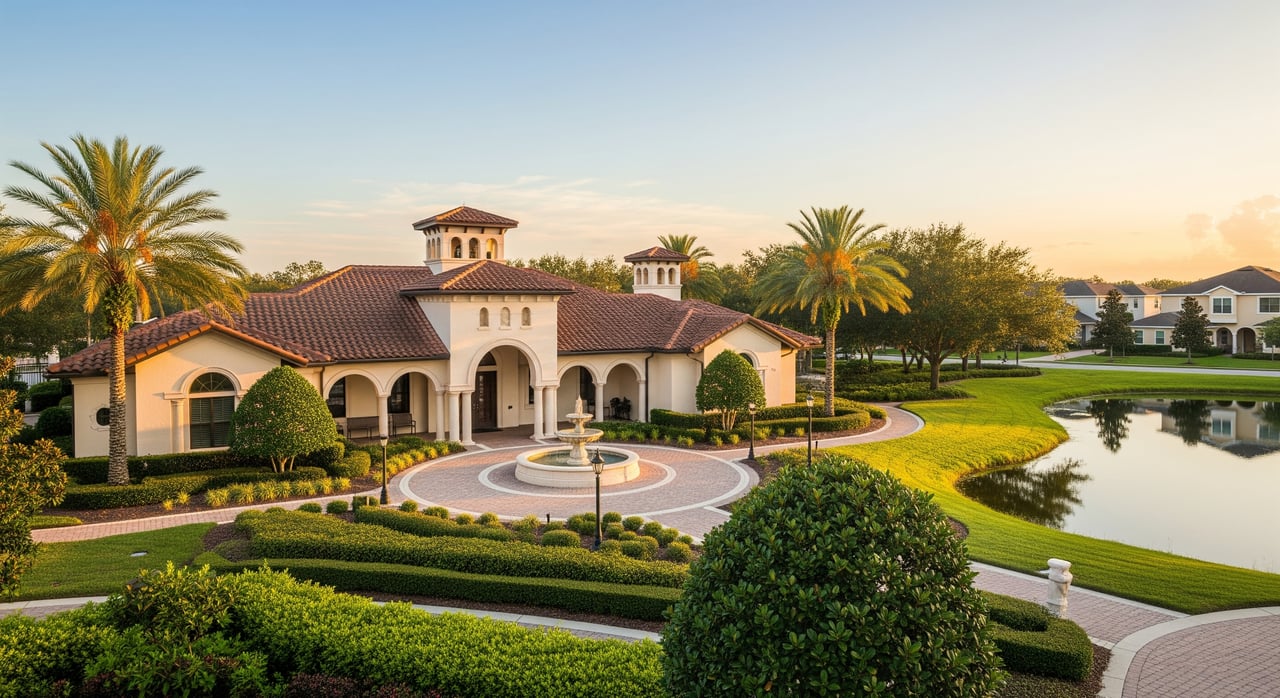
Confused by all the “villages” in Westchase and why the HOA rules and fees seem to change from street to street? You are not alone. Westchase is designed as a master-planned community, which means different neighborhoods can look, live, and cost a bit differently. In this guide, you will learn how the villages are organized, how amenities and HOA structures work, and what to review before you place an offer so you can choose the best fit with confidence. Let’s dive in.
What “villages” mean in Westchase
Westchase in Hillsborough County follows a master-planned model. A master association oversees big-picture items like community-wide parks, trails, larger common areas, and some covenants. Within that, individual villages often have their own sub-associations or condominium associations that set neighborhood-level rules and handle local maintenance.
This structure creates real differences from one village to the next. You may see different home types, architectural styles, lot sizes, parking rules, and even amenity access. Understanding the master association plus sub-association setup helps you compare apples to apples as you tour homes.
Architecture and home types by village
Single-family neighborhoods
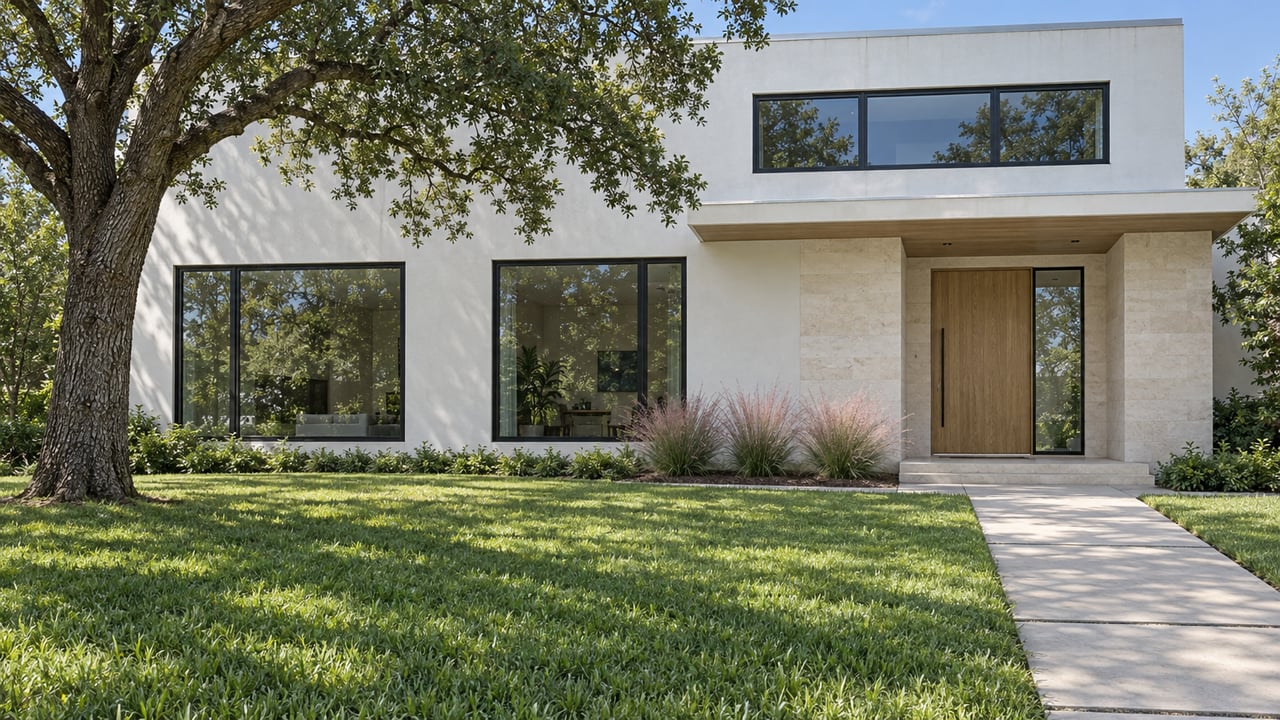
Many villages feature single-family homes with varied architectural styles. You will find traditional and Mediterranean-inspired facades alongside more recent “modern-traditional” looks. Lot sizes and driveways differ by village, and older sections may offer mature landscaping compared to newer phases.
Construction era matters too. Homes built in different phases can show different floor plans and expected maintenance needs. Ask about typical updates for that vintage and how the association handles exterior changes.
Townhomes and condos
Higher-density clusters tend to attract buyers who want simpler exterior maintenance. Townhome and condo associations often include more services like exterior maintenance or building insurance. That convenience usually means higher monthly dues compared to single-family sub-associations, so weigh the tradeoff between lower initial price and higher ongoing fees.
Amenity-focused or gated enclaves
Some villages include private gates or neighborhood-specific amenities such as smaller pools or playgrounds. These are usually available only to residents of that sub-association and may come with additional fees. If privacy, controlled access, or on-site amenities are a priority, confirm what is included and what is an extra cost.
Amenities and access explained
Westchase residents typically interact with three potential layers of amenities:
- Master amenities. Community-wide assets like parks, trails, and larger facilities are commonly managed by the master association. Access is usually included for residents, but you should verify the exact privileges in the governing documents.
- Sub-association amenities. Some villages operate their own amenities, such as a pool or gated entry. These are restricted to that neighborhood and are funded by the sub-association dues.
- Separate private clubs. In some master-planned communities, a golf or country club operates independently. If present, membership is separate from HOA dues and is optional or required depending on the property. Always confirm whether any facility near your target home is a community amenity or a separate private entity.
HOA structures and rules that differ
Governance and key documents
You will usually encounter a master association that enforces community-wide covenants and one sub-association that governs your specific village or building. Ask for the full set of documents:
- Declaration of Covenants, Conditions and Restrictions, or a Declaration of Condominium
- Bylaws and Articles of Incorporation
- Rules and Regulations, including Architectural Review Board or Committee guidelines
- Current budget, financial statements, and the most recent reserve study
- Recent meeting minutes to spot trends, planned projects, or disputes
Rules that commonly vary
Village to village, rules may differ on:
- Architectural changes and approval timelines
- Exterior maintenance responsibilities, including landscaping and irrigation
- Parking limits, guest parking, and commercial or recreational vehicles
- Rental policies, including caps and minimum lease terms
- Pet rules, such as counts, sizes, and other limitations
- Landscaping requirements like plant palettes and irrigation upkeep
Financial drivers of dues and assessments
Association costs reflect what they manage. Pools, gates, security, and landscape contracts increase dues. Condo associations tend to charge more because they carry bigger responsibilities like building insurance and exterior systems. Well-funded reserves reduce the risk of special assessments, while underfunded reserves can lead to surprise costs.
Florida statutes for condominiums and HOAs establish disclosure and governance rules, including estoppel certificates and owner rights. You can also check public records such as the Hillsborough County Clerk of Court to research association filings or litigation.
Budget tradeoffs you should expect
As you compare homes, you will notice budget tradeoffs:
- Lower purchase price plus higher dues. Condos and townhomes can offer a lower purchase price, but monthly fees are often higher due to broader maintenance coverage.
- Higher purchase price plus lower dues. Single-family homes may have higher prices and lower monthly HOA dues, depending on what the sub-association includes.
- Hidden or cumulative costs. Gated entries, private street maintenance, or separate club memberships can add to your total cost beyond the listed HOA fee. Review reserve funding and planned projects to understand future assessments.
A side-by-side evaluation that includes dues, insurance, services included, and reserve strength will help you compare total cost of ownership, not just the list price.
A quick buyer checklist for Westchase villages
Bring this list to showings and as you request documents:
- Governing documents for both the master association and the sub-association
- Rules and Regulations plus Architectural Review guidelines
- Current budget, financial statements, and the most recent reserve study
- Meeting minutes from the last 6 to 12 months
- Estoppel or resale certificate showing dues, balances, assessments, and transfer fees
- Insurance summaries for common areas and buildings
- A list of services covered by dues, such as landscaping, irrigation, trash, cable or internet, pest control, and security
- Any amenity details that confirm whether access is included or requires separate membership
Key questions to ask before you offer
- What are the current master and sub-association dues, and what are the payment schedules for each?
- Are there any pending or recent special assessments? What major projects are planned within the next 1 to 3 years?
- What services are included in the dues, and what remains your responsibility?
- What are the rental rules, and is there a cap or minimum lease term?
- How long do architectural approvals usually take, and what types of changes are commonly approved?
- Does the association have a formal reserve study, and how well are reserves funded?
- Are there any ongoing or recent lawsuits involving the association? Where can you review the records?
- Are any amenities run by a separate private entity that would require a separate fee or membership?
Practical red flags and verification steps
Watch for signals that may affect cost, flexibility, or risk:
- Ongoing litigation, repeated special assessments, or chronically underfunded reserves
- Inconsistent rule enforcement or frequent board turnover
- Difficulty obtaining documents or unclear management contacts
- Long-term vendor contracts that lock in high costs
To verify, request association documents early, review financials and meeting minutes, and confirm details with the management company. Use county resources for public records, and consider counsel from a local real estate attorney or title company for contract and document review.
Match a village to your lifestyle
- Low-maintenance living. Seek villages where the sub-association handles exterior maintenance or landscaping. Expect higher dues and less yard work.
- Privacy and room to grow. Focus on single-family sections with larger lots and clear architectural guidelines so you understand options for outdoor space and future changes.
- Investor or first purchase. Consider condos or townhomes that fit your budget, and review rental policies and reserves closely.
- Active outdoor lifestyle. Look at proximity to parks and trails. Confirm whether facilities are open to all Westchase residents or limited to a specific sub-association.
Your next steps with a local advisor
The biggest takeaway is simple. Villages inside Westchase can feel like distinct towns, with different architecture, rules, amenities, and costs. If you want a smooth search, gather documents up front, clarify what amenities are included, and understand the full cost of ownership beyond list price.
If you would like a curated shortlist that matches your lifestyle and budget, along with document requests and due diligence support, reach out to Darlene Davenport. You will get clear guidance, efficient showings, and the local insight you need to choose the right village with confidence.
FAQs
Do all Westchase residents pay both master and sub-association dues?
- Not always. Many villages have both, but the exact fee structure and inclusions vary by village, so verify both sets of dues and services.
How do I know whether an amenity is included or requires extra membership?
- Check the governing documents and ask who owns or operates the facility. If a separate private entity runs it, expect a separate membership and fee.
Can I rent out a Westchase property?
- Rental rules vary by association. Some allow rentals with limits or minimum lease terms, while others restrict short-term rentals.
What is the process if I want to change the exterior of my home?
- Most villages require Architectural Review Board or Committee approval. Get the written guidelines and typical turnaround times before you buy.
How can I reduce the risk of special assessments?
- Review the reserve study, current reserve balances, and recent assessment history, and ask about upcoming capital projects within the next 1 to 3 years.