Thinking about a condo on Beach Drive but unsure where to start? You want walkable culture, water views, and low-maintenance living without surprises after closing. In this guide, you will learn how to size up a unit, the building, the HOA, and the long-term risks so you can buy with confidence. Let’s dive in.
Beach Drive lifestyle and market
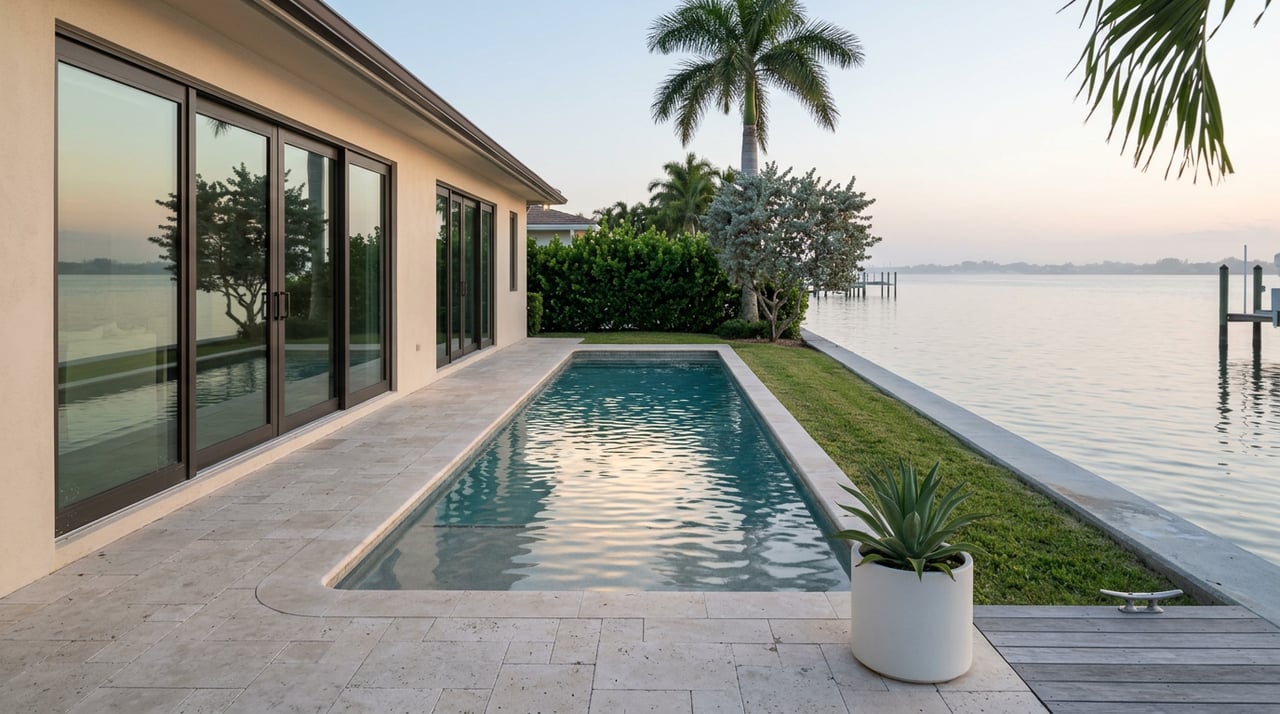
Beach Drive sits along Tampa Bay in downtown St. Petersburg, close to marinas, museums, parks, and dining. It draws downsizers, relocating professionals, and second-home buyers who value a lock-and-leave lifestyle. Buildings range from boutique mid-rises to luxury towers, with amenities like secure parking, pools, fitness centers, and on-site management.
You should weigh daily life alongside value. Walkability is excellent, yet waterfront events and festivals can bring noise and traffic on peak days. Proximity to I-275 offers access across Tampa Bay, while bay views and higher floors often command price premiums.
Unit factors that drive value
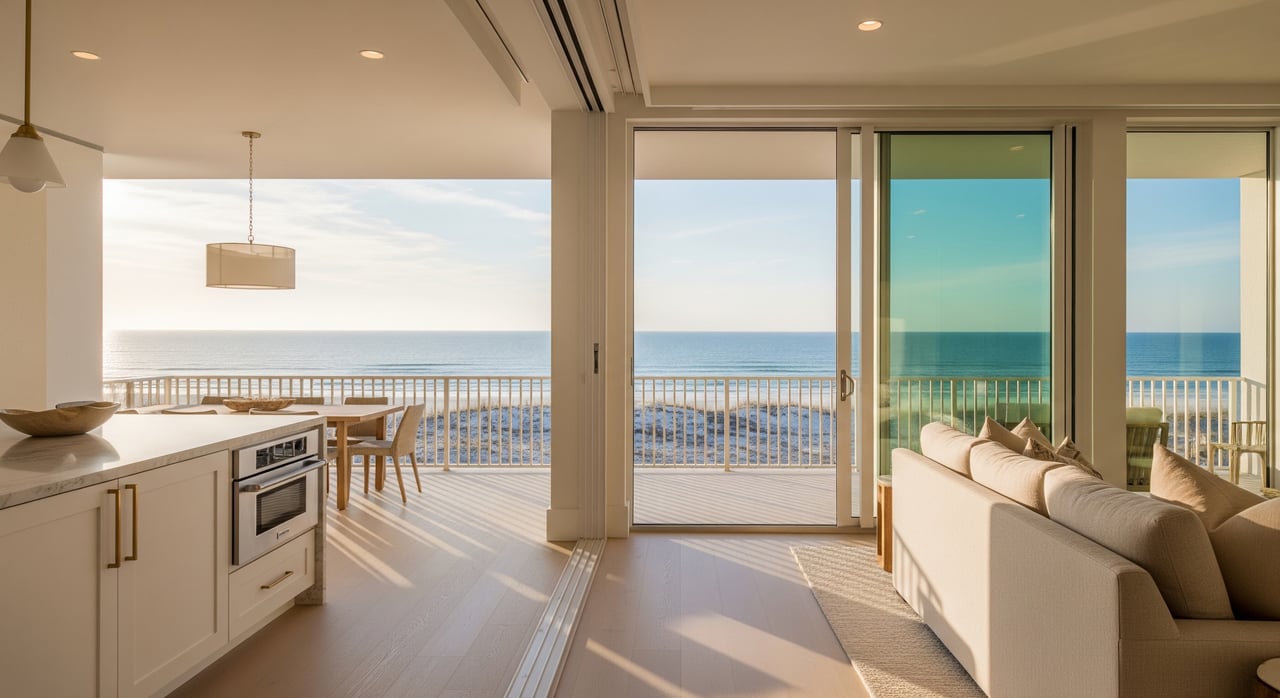
Views, light, and orientation affect both enjoyment and resale. Waterfront and partial bay views cost more and can impact maintenance due to more exterior exposure. Higher floors often trade better views and lower flood risk for greater wind exposure.
Focus on system health, not just finishes. Review HVAC age, plumbing, electrical, windows and sliders, and balcony condition. Ask about soundproofing and double-pane windows if a unit faces active streets or event venues.
Storage and parking matter. Confirm deeded versus assigned parking, guest parking rules, bicycle storage, and elevator reliability. Request seller disclosures, permits for improvements, and any documentation of past water intrusion or remediation.
Building health and safety checks
A great unit in a troubled building is rarely a good deal. Your goal is to verify that the association plans, funds, and executes maintenance on time.
Reserves and capital projects
Request the current reserve study and confirm reserve contribution levels in the budget. The study should outline timelines and costs for roofs, elevators, exterior painting, balconies, and building systems. Ask if reserves were ever deferred and whether special assessments are common.
Recent maintenance and structure
Review the history of major projects like elevator modernization, exterior restoration, balcony repairs, and sea wall or marina work. Waterfront buildings face salt-air corrosion, metal degradation, and potential concrete spalling, which require consistent upkeep. Ask for maintenance logs and vendor contracts to see how issues are handled.
Safety inspections and compliance
Confirm recent structural or engineering reports, roofing evaluations, and any required local recertifications. Florida has increased safety and inspection requirements for older coastal multi-story buildings. Verify that the association is compliant and that any recommended work has a funding plan.
HOA finances and rules
Strong financials and clear governance protect your investment and support resale.
- Review the operating budget, balance sheet, and income statements for the last 2 to 3 years.
- Check reserve adequacy and any operating deficits.
- Ask for delinquency rates and how collections are managed.
Identify current or planned special assessments and the board’s history of levying them. Read the declaration, bylaws, and rules for rental policies, pet rules, and maintenance obligations between owners and the association. Determine if the association is professionally managed and request board minutes for the last 1 to 3 years to surface pending projects or disputes.
Insurance, flood, and storm risk
Coastal condos face specific insurance and climate exposure. You want to understand who covers what and what deductibles apply.
- Master policy scope: Confirm whether it covers only common elements and the building exterior or includes some interior elements. Note windstorm and hurricane deductibles, which can be significant.
- Flood: Flood insurance is separate. Check FEMA flood zone status and whether a master policy includes flood coverage. If not, you will need HO-6 and possibly separate flood for interior finishes and contents.
- Market dynamics: Coastal premiums can shift. Ask about the association’s policy renewal history, recent premium increases, and claims.
- Long-term risk: Consider storm surge and sea level rise over your expected hold period. This affects insurability, maintenance, and resale.
Financing and resale factors
Project eligibility can influence your mortgage options. Lenders often review owner-occupancy rates, delinquency levels, commercial space ratios, and insurance. Consult a lender experienced in Florida coastal condos early to confirm eligibility.
Resale depends on building health and rules. Restrictions on rentals or short-term stays, while common, change the buyer pool and financing paths. Review tax history and any special levies, and confirm any easements or marina rights that could affect usage or value.
Step-by-step due diligence checklist
Use this process to move from interest to informed decision.
Pre-offer research
- Review recent sales from the local MLS and public property records for comps.
- Check FEMA flood map status and request any elevation certificate on file.
- Ask the listing agent for HOA contact and a preliminary document list.
- Scan city permits for building-level projects or pending work.
Contingency period actions
- Request full HOA packet: declaration, bylaws, rules, budget, reserve study, last 2 to 3 years of financials, insurance policy, board minutes, and a litigation summary.
- Order inspections: a condo-experienced home inspection, and if concerns arise, a structural or building engineer review.
- Obtain an estoppel letter to confirm assessment status and any violations or fines.
- Confirm project eligibility with your lender and get a loan estimate tied to the building.
- Consult a Florida real estate attorney to review documents and highlight obligations and risks.
- Get quotes from your insurance agent for HO-6, windstorm if applicable, and flood coverage.
Final review before closing
- Reconfirm no new special assessments or board actions.
- Verify insurance renewals and deductibles are stable.
- Check that agreed repairs are completed or escrowed.
- Validate parking, storage, and any boat slip rights in writing.
Red flags to pause on
- No current reserve study or severely underfunded reserves.
- Repeated or large special assessments without a long-term plan.
- High owner delinquency rates.
- Significant or unresolved litigation involving the association.
- Difficulty obtaining master insurance or very high deductibles.
- Structural concerns or noncompliance with required inspections.
- Documented history of water intrusion that is not fully remediated.
Putting it all together
A smart Beach Drive purchase balances lifestyle and risk. You want the views and walkability today, backed by a building and HOA that can weather storms, fund upkeep, and protect resale value tomorrow. With the right documents, inspections, and lending guidance, you can make a confident offer and enjoy a low-maintenance downtown life.
If you want a focused, private, and efficient search, connect with Darlene Davenport for a curated tour of Beach Drive options, introductions to trusted inspectors and lenders, and a data-backed negotiation plan tailored to your goals.
FAQs
How important is a condo reserve study on Beach Drive?
- A current reserve study is essential because it shows whether the association is saving enough for big-ticket items like roofs, elevators, and exterior work, which reduces the risk of surprise assessments.
Do Beach Drive condos require flood insurance?
- Many waterfront and low-elevation buildings fall in FEMA flood zones, so lenders may require flood coverage and owners often need an HO-6 policy plus flood for interiors and contents.
How do special assessments work in Florida condos?
- Associations may levy special assessments to fund unexpected or underfunded projects; your governing documents explain approval procedures and payment timelines, so review them closely.
Can I get a mortgage for a Beach Drive condo in St. Petersburg?
- Often yes, but lenders review the project’s financial health, insurance, owner-occupancy, and delinquency rates, so ask a condo-experienced lender to verify eligibility early.
What surprises do Beach Drive condo buyers face most?
- Common surprises include large master policy windstorm deductibles, deferred maintenance, restrictive rental rules, and required safety or recertification work that can add cost.