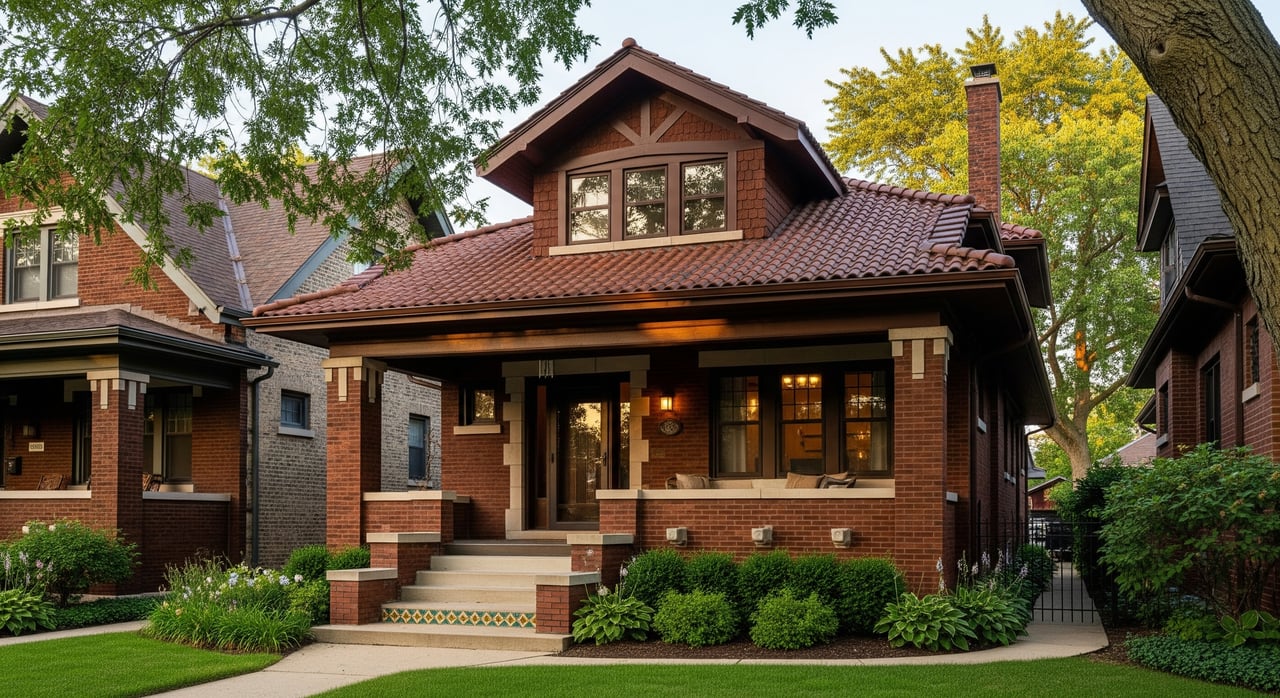
Love the charm of Hyde Park bungalows but not sure what you are looking at? You are not alone. Many buyers fall for the historic details, then wonder how these homes live day to day and what to watch for during showings. In this primer, you will learn how to spot the most common bungalow styles, how features affect livability and maintenance in South Tampa’s climate, what impacts resale, and a practical checklist to use at tours. Let’s dive in.
Spot the Hyde Park styles
Craftsman bungalow
- What you will see: Low-pitched gabled roofs, wide eaves, exposed rafters or brackets, and a full or partial front porch. Columns are often tapered or square on brick or stone piers. Windows are usually double-hung, sometimes with multi-pane uppers.
- How it lives: Porches encourage outdoor time and neighborly streetscapes. Interiors feel warm with built-ins and woodwork. Rooms can be compact with modest storage.
- Buyer tip: Original wood elements are a plus for character. Check for refinishing needs or signs of prior pest treatment.
Florida vernacular bungalow
- What you will see: Designs adapted to heat and humidity. Large porches, layouts oriented for cross-breezes, and older pier foundations that raise the home off the ground.
- How it lives: Raised floors can keep interiors cooler and drier. Enclosed porches or later slab additions may create transitions in floor levels.
- Buyer tip: Crawlspaces can collect moisture. Look for vapor barriers, ventilation, and signs of drainage management around the foundation.
Mediterranean or Spanish Revival
- What you will see: Stucco exteriors, red clay tile roofs, arched openings, and decorative ironwork. Courtyards and arcades appear on some homes.
- How it lives: Tile roofs can be durable with proper care. Stucco walls offer a different texture and thermal feel than wood-clad bungalows.
- Buyer tip: Maintenance focuses on stucco crack repair, flashing, and occasional tile replacement. Ask about water intrusion history.
Colonial Revival and other period styles
- What you will see: More formal facades, symmetrical window patterns, and columned entries. These are less common but present in Hyde Park.
- How it lives: Interiors may feature higher ceilings and defined formal rooms.
- Buyer tip: If the footprint is larger, factor operating costs and any vintage system upgrades into your budget.
Hybrids and later modifications
- What you will see: Craftsmanship up front with stucco in back, enclosed porches, and additions that expand kitchens or primary suites.
- How it lives: Many homes blend old and new. Done well, you get modern function with preserved curb appeal.
- Buyer tip: Verify permit history for additions and mechanical updates. Ensure structural changes were documented and approved.
How design affects daily living
- Floor plan flow: Many bungalows have smaller kitchens, compact bedrooms, and fewer closets by modern standards. Openings between rooms may be narrower.
- Light and shade: Deep porches soften sunlight and heat gain. Original windows can brighten interiors, but grouped windows and porch overhangs may reduce direct light.
- Ceiling height: Expect variety. Main living areas can feel generous, while secondary rooms may be cozier.
- Outdoor living: Front porches and modest yards support easy outdoor time. Mature trees add charm and shade, but also drop debris that can shorten roof life.
Maintenance to plan for
- Roofing: Older roofs may have been replaced in sections over decades. Asphalt shingle schedules differ from tile. Expect a roof to be a near- or mid-term expense in many period homes.
- Foundation and structure: Pier-and-beam and block foundations are common. Watch for sagging floors, cracked piers, or gaps at sill plates that hint at settlement or rot.
- Electrical: Vintage service may not meet today’s loads. Upgrades to modern panels, grounded circuits, and removal of obsolete wiring are common projects.
- Plumbing: Galvanized supply lines corrode internally and reduce flow; cast iron drains can fail with age. Copper or PEX supply lines and updated drains are positive signs.
- HVAC: Central air is often a retrofit. Ductwork routed through attics or crawlspaces needs insulation and sealing. Unit age and placement affect comfort and efficiency.
- Windows and insulation: Single-pane wood windows are beautiful but less efficient. Attic and wall insulation in older homes is often below modern standards.
- Pest and moisture: Termite pressure is a real factor in South Tampa. Plan for a WDO inspection, and ask for treatment records.
Climate, flood, and insurance checks
South Tampa’s humid subtropical climate brings heat, humidity, thunderstorms, and a June to November hurricane season. Salt air can affect metal components near the bay. The key implications for Hyde Park buyers are straightforward:
- Moisture management: Confirm gutters, downspouts, and grading move water away from the house. Crawlspaces should show ventilation, vapor barriers, and no standing water.
- Termites and rot: Inspect wood trim, porch piers, and sill areas. Ask for WDO history and warranties.
- Wind exposure: Consider roof condition, roof-to-wall connections, and whether impact windows or other wind-mitigation features are present.
- Flood risk: Parts of South Tampa are low-lying. Review floodplain status, elevation certificates, and any past water intrusion claims. Insurance availability and cost can influence your final budget.
Market appeal and resale tips
- Character premium: Restored bungalows with intact details and sensitive updates often command a premium among buyers who value historic charm.
- Size and modernization: Smaller mid-block homes can be less practical for larger households unless expanded thoughtfully. Well-executed additions that respect the facade tend to perform best.
- Historic overlay effects: If a property falls within a local historic overlay, exterior changes may need review. The upside is preserved streetscapes that support long-term curb appeal.
- Buyer expectations: Some buyers will trade a larger new build for location and character. Others prefer fully renovated period homes that live like new while keeping the original look.
Touring checklist: what to look for
Use this quick reference during showings. A licensed home inspection should always follow any offer.
- Roof and drainage:
- Look for missing shingles, sagging planes, or cracked tiles.
- Check for gutters that discharge away from the foundation.
- Exterior and foundation:
- Scan siding or stucco for cracks, peeling paint, or soft wood.
- Note porch piers and visible foundation for cracks or settlement.
- Windows and doors:
- Test operation and look for rot, condensation, or staining.
- Identify original versus replacement windows.
- Interior signs:
- Look for uneven floors, ceiling stains, or musty odors.
- Open cabinets and check under sinks for leaks.
- Attic and crawlspace:
- Look for insulation, ventilation, pest droppings, or mold.
- Confirm presence and condition of a vapor barrier in crawlspaces.
- Systems snapshot:
- Find the electrical panel. Note amperage, labeling, and any fuses.
- Check the water heater and HVAC age and location. Look for condensate leaks.
Questions to ask the seller or listing agent:
- When were the roof, HVAC, electrical panel, and plumbing last updated?
- Were additions or major remodels permitted, and are documents available?
- What is the termite treatment history and are warranties transferable?
- Has the property experienced flooding or water intrusion, and is there an elevation certificate?
- Is the property within a local historic overlay and what exterior changes require review?
When to bring specialists:
- Licensed home inspector: always.
- Structural engineer: if you see sagging floors, cracked piers, or visible structural changes.
- Electrician, plumber, or HVAC technician: if systems appear near end-of-life.
- Pest inspector for WDO: especially prudent in South Tampa.
- Historic preservation consultant: if you plan exterior changes where review may be required.
Permits, historic rules, and renovations
- Permitting: Electrical service upgrades, HVAC replacement, and additions typically require permits in Tampa. Unpermitted work can delay closing and complicate future resale.
- Historic review: In overlay areas, exterior alterations, demolitions, and some material choices may need review. Engage city staff early in your due diligence if changes are planned.
- Insurance: Older roofs, wiring, or past water damage can affect insurability and premiums. Confirm your likely policy options while you are within your inspection window.
Quick glossary
- Bungalow: A generally 1 to 1.5 story home with a low-pitched roof and front porch.
- Craftsman: A style with handcrafted woodwork, exposed structural elements, and strong porch details.
- Pier-and-beam foundation: A structure elevated on piers with a crawlspace below.
- Stucco: A cement-based exterior finish common on Mediterranean and Spanish Revival homes.
- Flashing: Waterproofing material at joints where roofs meet walls or penetrations.
- WDO: Wood-destroying organism inspection and report, typically related to termites.
- Historic overlay or district: A local designation that can restrict exterior changes to preserve character.
- Impact windows: Windows rated for wind-borne debris during hurricanes.
Ready to shop Hyde Park?
If you are drawn to Hyde Park’s porch culture, oak-lined streets, and architectural character, the right bungalow will feel like home the moment you step onto the front stoop. A thoughtful search plan, strong inspection strategy, and clear view of renovation and insurance factors will set you up for a confident offer. For curated tours and expert guidance on character homes across South Tampa, connect with Darlene Davenport for a private consultation.
FAQs
What makes a Hyde Park Craftsman bungalow easy to spot?
- Look for low-pitched gabled roofs with exposed rafters, a prominent front porch with tapered or square columns, and grouped double-hung windows.
How do Hyde Park’s climate and storms affect bungalow upkeep?
- Heat, humidity, and hurricane season drive moisture control, roof care, termite prevention, and wind-readiness. Plan for regular inspections and good drainage.
Are Mediterranean tile roofs in Hyde Park expensive to maintain?
- Tile roofs can be long-lasting but require specialty care. Budget for periodic crack repair, flashing maintenance, and occasional tile replacement.
What should I check in a raised Florida bungalow’s crawlspace?
- Look for ventilation, a vapor barrier, no standing water, intact insulation, and no signs of rot, pests, or structural issues at piers and sills.
Do historic overlay rules limit renovations in Hyde Park?
- Exterior changes in overlay areas often need review, which preserves curb appeal. Interior updates usually proceed with standard permitting.
What systems in older Hyde Park homes are most likely to need upgrades?
- Common projects include roof replacement, modern electrical panels, updated plumbing lines, improved insulation, and HVAC replacement or ductwork improvements.